Twice a year, Shopify pulls back the curtain on hundreds of updates across its platform. This update signals a clear shift in online commerce: moving from reactive tools to agent-driven, multi-channel scale.
Landing ahead of the critical Black Friday / Cyber Monday (BFCM) and holiday shopping peak, this release brings more than 150 features to the ecosystem.
For established brands in Australia and New Zealand, the real question isn’t how many new features there are - it’s which ones will directly protect margins, reduce operational friction, and drive conversion.
Here’s our practical breakdown of the key announcements from Shopify Fall '26 and what merchants across ANZ should prioritise next.
1. Agentic commerce: Your product catalog is now an AI direct channel
For years, search engine visibility (SEO) and paid social dominated merchant acquisition. Fall '26 marks the arrival of Agentic Commerce as a native sales surface.
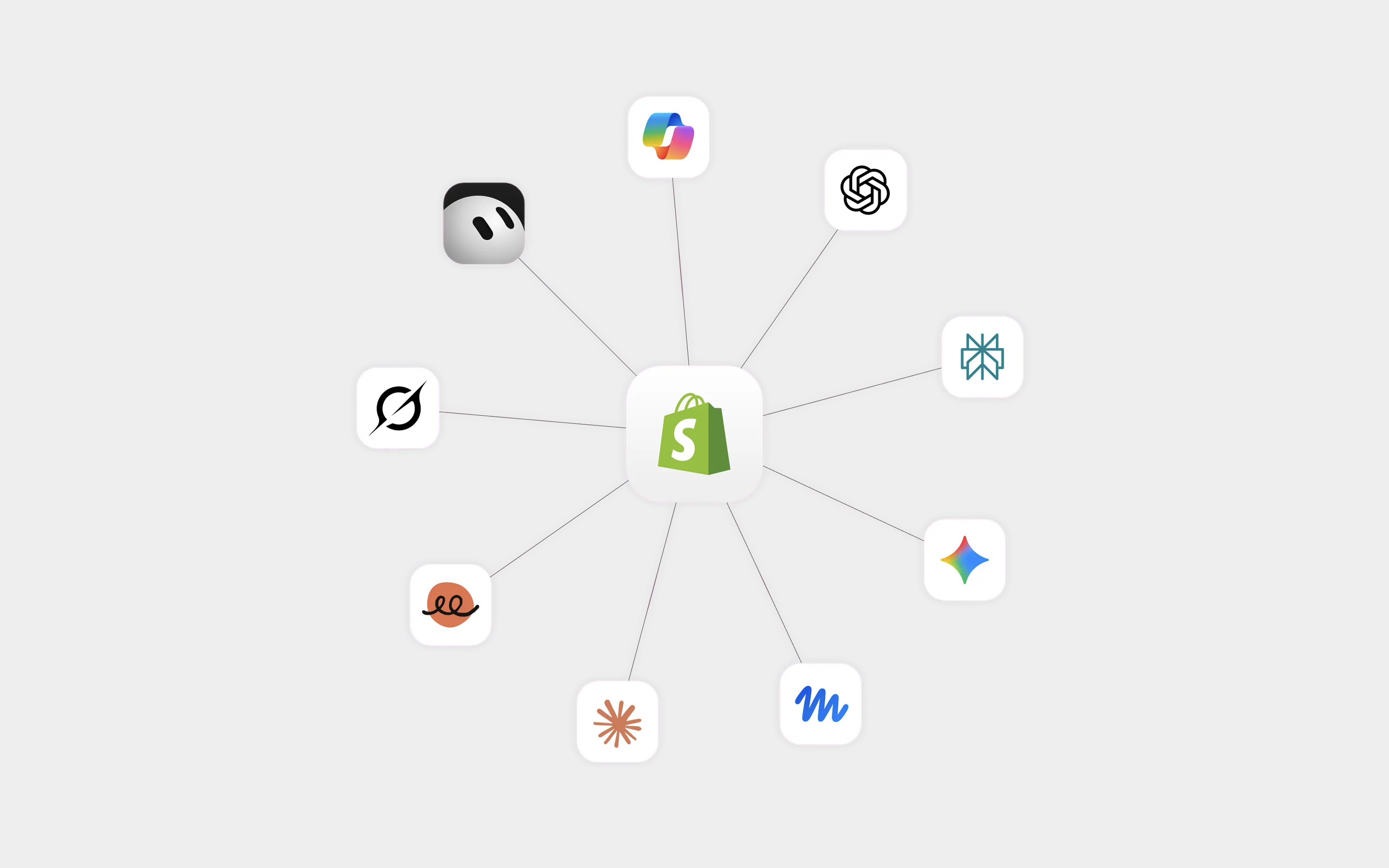
Shopify has opened up product catalogues, carts, and checkout pipelines directly to AI systems and conversational engines—including ChatGPT, Microsoft Copilot, and Meta surfaces.
- Centralised AI Knowledge Base: Rather than letting third-party AI scrapers guess your returns policy or warranty terms, merchants can now review and approve platform-governed policies and FAQs directly within the Shopify admin.
- Channel-Specific Data Mapping: Clean product metadata has never been more critical. AI shopping agents read variant titles, specifications, and attributes natively. Shopify now supports tailored data mapping per channel and up to 20 barcodes per variant, ensuring that discovery matches local inventory and accurate SKUs.
The webqem takeaway: AI agents reward structured, accurate data. If your product titles rely on legacy keyword-stuffing or lack clear variant distinctions, AI discovery engines will struggle to recommend your products. High-converting agentic commerce starts with clean catalogue architecture and well-maintained metafields.
2. Enterprise rollouts: Cohesive A/B testing beyond storefronts
First introduced in previous iterations, Shopify Rollouts has evolved significantly in Fall '26. Where testing previously required stitching together third-party CRO tools and separate theme staging environments, Shopify Rollouts now operates as an enterprise orchestration layer.
- Full-Stack Bundling: Merchants can now package theme changes, checkout scripts, catalogue updates, and scheduled promotions into a single deployment.
- Omnichannel Reach: Rollouts now extends consistency across headless storefronts, POS terminals, the Shop app, and external channels like Google Shopping simultaneously.
The webqem takeaway: This means marketing and merchandising teams can test a holiday campaign layout alongside specific regional pricing rules, evaluate live data against existing control data, and push the winning build live across every touchpoint without risky code merges.
3. Smarter storefront customisation with Canvas and Liquid updates
Maintaining brand consistency across dozens of content layouts often creates a bottleneck between marketing teams and technical developers.
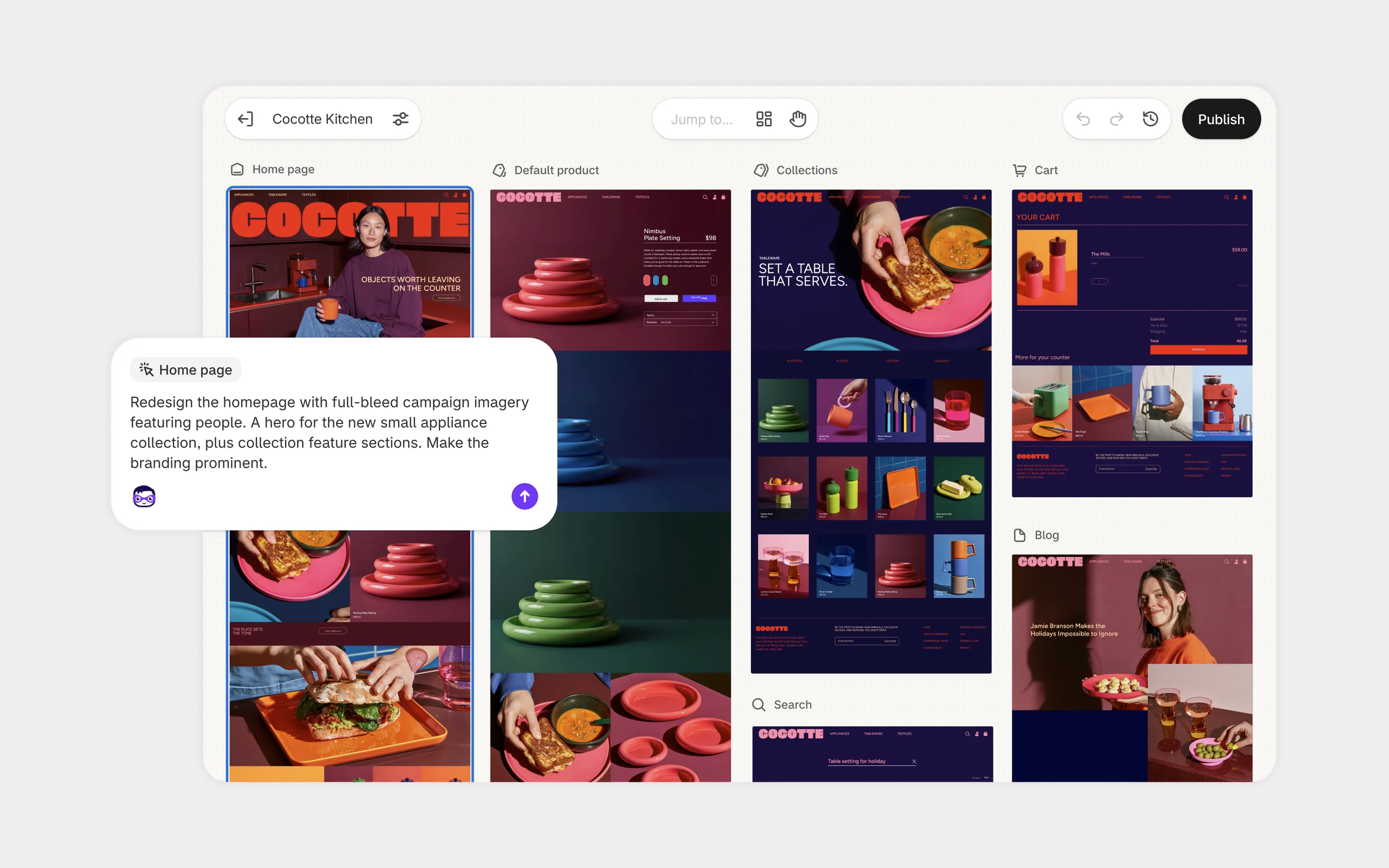
Shopify Fall '26 introduces Canvas, an end-to-end store editor that deeply integrates with Sidekick.
- Visual Editing Meets Code Efficiency: Canvas allows teams to adjust structured sections, review responsive breakpoints, and preview dynamic content blocks without fracturing underlying Liquid templates.
- Modernised Theme Architecture: For developers, enhanced Liquid architecture ensures modular, performant builds that keep Core Web Vitals sharp and page-load speeds fast—vital for keeping bounce rates low during peak traffic surges.
4. Localised payment and fraud protection for ANZ retailers
Cash flow, chargebacks, and checkout abandonment remain central operational hurdles for Australian and New Zealand retailers. This Fall '26 release introduces two welcome updates for regional merchants:
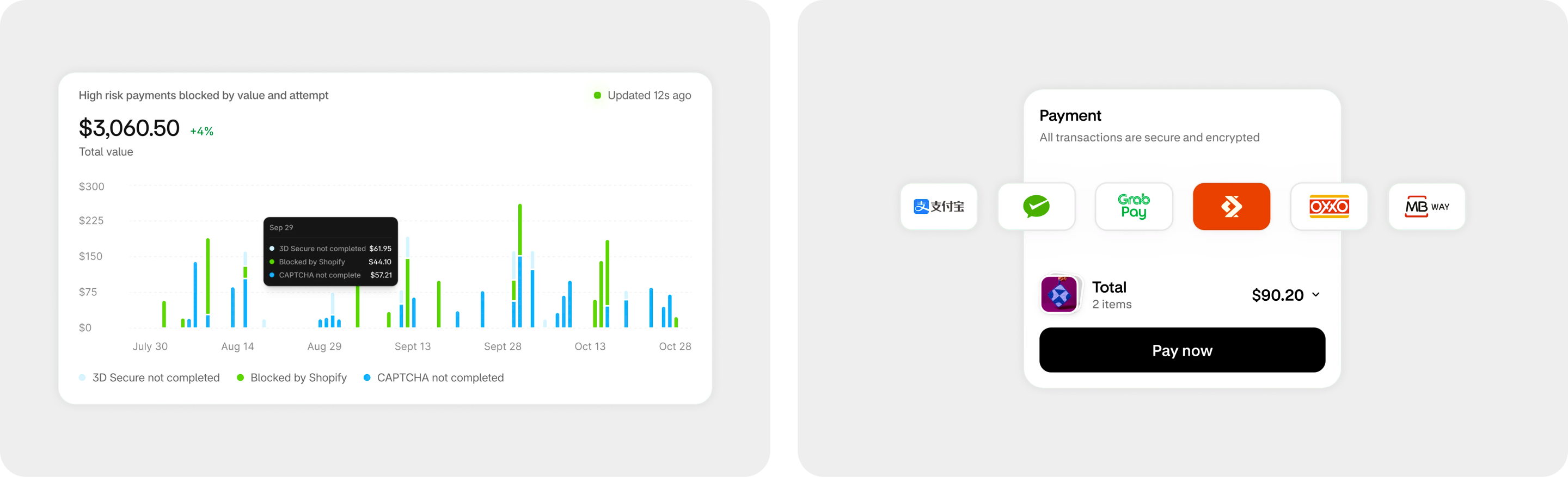
- Shopify Protect Expansion: Built-in chargeback and fraud mitigation now covers eligible orders processed through Shopify payments infrastructure, leveraging machine learning to defend against fraudulent claims without requiring costly third-party fraud add-ons.
- Localised Shop Pay Flexibility: With wider payment method management and expanded regional support for flexible payment terms, checkouts adapt dynamically to display the payment method most likely to convert each specific shopper.
What should you do first?
You don’t need to implement 150 new features at once. Instead, focus on high-impact areas that set up your store for scalable growth:
- Audit your catalogue metadata: Review your variant naming conventions, inventory mapping, and product metafields to ensure AI search and agentic discovery engines surface your products accurately.
- Consolidate your testing pipeline: If you are paying for standalone third-party A/B testing platforms that add client-side script bloat, assess whether native Rollouts can streamline your CRO workflow.
- Review your theme architecture: Ensure your theme code is ready to support newer visual editing workflows and streamlined checkout integrations without performance regressions.
Partner with webqem to elevate your eCommerce engine
At webqem, we don't just review platform releases - we build, integrate, and optimise high-performing commerce ecosystems.
As an experienced digital partner specialising in Shopify Plus development and complex systems integration, we help established brands across Australia and New Zealand turn platform updates into measurable commercial results.
Whether you are preparing your store for peak retail, planning an omnichannel rollout, or modernising your custom architecture, our Sydney-based team is ready to help.
Get in touch with our team at webqem to explore how Shopify’s latest tools can support your business goals.